Winter Preparedness Guide for Newcomers: Surviving
By WelcomeAide Team

Canadian Winters: What to Really Expect
If you're coming from a warm climate, Canadian winters can be shocking. Temperatures regularly drop to -10°C to -30°C (and colder with wind chill) in most of the country. Snow covers the ground for 4–6 months in many areas. Daylight hours shrink dramatically - in December, the sun may set by 4:30 PM in southern Canada and much earlier up north.
But here's what experienced Canadians know: winter isn't something to merely survive - it can be genuinely enjoyable with the right preparation. Proper clothing, home heating, safe driving practices, and embracing winter activities transform the season from a hardship into a uniquely Canadian experience.
This guide covers everything you need to prepare for your first Canadian winter and beyond.
Essential Winter Clothing
Investing in proper winter clothing is the single most important thing you can do. This isn't optional - inadequate clothing in Canadian winter can lead to frostbite, hypothermia, and genuine misery.
The Layering System
- Base layer (next to skin): Moisture-wicking material (merino wool or synthetic). Avoid cotton - it absorbs moisture and makes you colder. Long-sleeve top and long underwear/leggings.
- Middle layer (insulation): Fleece jacket or wool sweater. This layer traps body heat.
- Outer layer (protection): Waterproof and windproof winter jacket. Should be insulated (down or synthetic fill) and extend below the waist. A good winter jacket is your most important purchase - budget $200–$500.
Other Essential Gear
- Winter boots: Insulated, waterproof, with good traction. Should be rated to at least -25°C. Budget $100–$250. Brands: Sorel, Baffin, Columbia, Kamik.
- Hat/toque: You lose significant heat through your head. A warm hat (Canadians call it a "toque," pronounced "took") is essential. $15–$40.
- Gloves or mittens: Insulated and waterproof. Mittens are warmer than gloves. $20–$60.
- Scarf or neck warmer: Protects your neck and can cover your face in extreme cold. $15–$30.
- Warm socks: Wool or synthetic blend. Avoid cotton. $10–$20 per pair.
- Snow pants: Especially important for children and anyone spending extended time outdoors. $50–$150.
Total budget for basic winter gear: approximately $400–$800 per person. This is a necessary investment. Look for sales at Canadian Tire, Costco, Winners/Marshalls, and end-of-season clearance.

Home Heating and Energy
Keeping your home warm in winter is essential and can be expensive:
- Heating types: Most Canadian homes use natural gas (furnace), electric baseboard heaters, or heat pumps. Apartments often include heating in the rent.
- Thermostat: Learn to use your thermostat. A comfortable indoor temperature is 20–22°C during the day and 18°C at night. Every degree lower saves approximately 2% on heating costs.
- Heating costs: Expect $100–$300/month for heating depending on your home size, type, and region. This is in addition to regular electricity costs.
- Draft prevention: Check windows and doors for drafts. Use weather stripping or window insulation kits (available at hardware stores for $5–$20). Close curtains at night to retain heat.
- Humidifier: Canadian winters are very dry indoors due to heating. A humidifier ($30–$80) prevents dry skin, nosebleeds, and respiratory discomfort.
Preventing Frozen Pipes
In extreme cold, water pipes can freeze and burst - causing thousands of dollars in damage. Prevention:
- Keep your home heated (never let indoor temperature drop below 15°C even when away)
- Open cabinet doors under sinks on exterior walls to let warm air reach pipes
- Let faucets drip slightly during extreme cold snaps
- Know where your main water shut-off valve is
Winter Driving Safety
If you have a car, winter driving in Canada requires preparation and different skills:
Winter Tires
Winter tires are legally required in Quebec and BC (on select highways). They're strongly recommended everywhere else. Winter tires provide dramatically better traction on snow and ice - the difference can be life-saving.
- Cost: $400–$1,200 for a set of 4 (you can reuse them for 4–5 winters)
- Install by October–November; switch back to all-seasons by April–May
- Some tire shops offer seasonal storage
Winter Driving Tips
- Reduce speed on snow and ice - stopping distances can be 10x longer
- Increase following distance to 6–8 seconds (instead of the usual 3)
- Clear all snow and ice from your car before driving (windows, roof, lights, mirrors)
- Keep your gas tank at least half full to prevent fuel line freezing
- If you skid, steer in the direction you want to go (don't brake hard)
Winter Emergency Car Kit
Keep in your car: ice scraper and snow brush, small shovel, sand or cat litter (for traction), booster cables, flashlight, warm blanket, extra warm clothes, non-perishable snacks, phone charger.
Winter Health and Safety
Frostbite
Frostbite occurs when skin and underlying tissue freeze. Most common on extremities - fingers, toes, ears, nose, cheeks.
- Signs: Numbness, white or grayish-yellow skin, hard or waxy texture.
- Prevention: Cover exposed skin, wear insulated boots and gloves, don't stay outdoors too long in extreme cold.
- Treatment: Get indoors. Warm affected area gradually (warm water 37–39°C, not hot). Don't rub. Seek medical attention for severe cases.
Hypothermia
When body temperature drops below 35°C. Can be fatal.
- Signs: Uncontrollable shivering, confusion, slurred speech, drowsiness.
- Prevention: Dress warmly, stay dry, limit time outdoors in extreme cold.
- Treatment: Get indoors immediately. Remove wet clothing. Warm gradually with blankets. Call 911 if severe.
Seasonal Affective Disorder (SAD)
Reduced daylight in winter can cause SAD - a form of depression related to seasonal changes. Symptoms include low energy, oversleeping, weight gain, and persistent sadness. Newcomers from tropical countries may be particularly affected.
- Prevention: Get outside during daylight hours, exercise regularly, maintain social connections, consider a light therapy lamp ($40–$100).
- Treatment: If symptoms are severe, talk to your doctor. See our mental health resources guide.
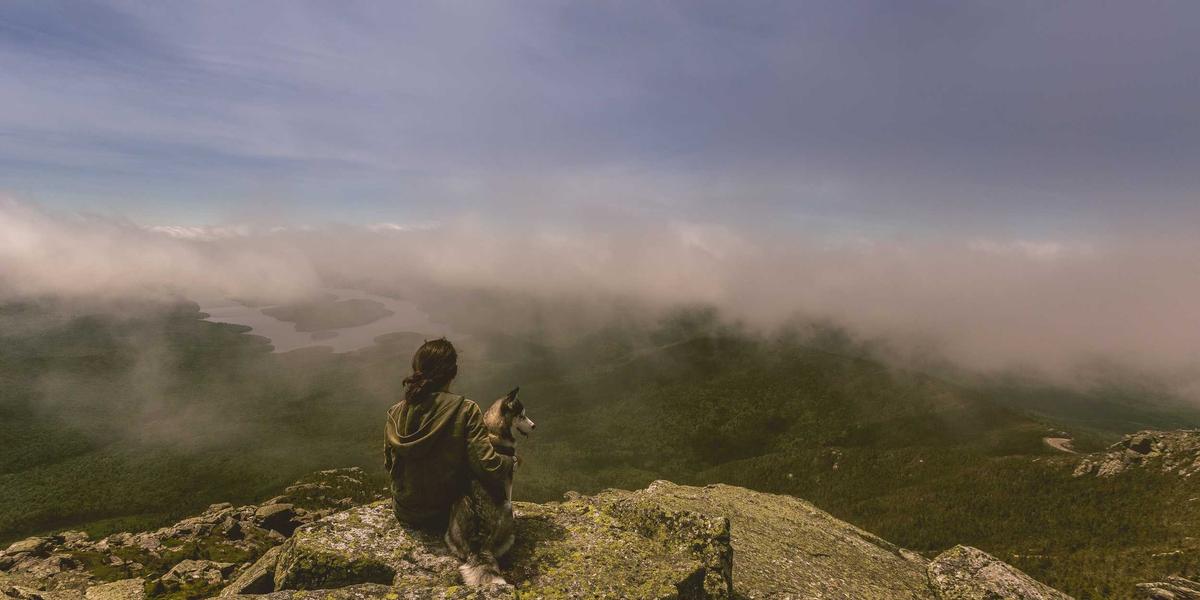
Embracing Winter: Activities to Enjoy
The key to enjoying Canadian winters is staying active and engaged:
- Skating: Free outdoor rinks in almost every Canadian city. Skate rentals available. Rideau Canal in Ottawa is the world's largest skating rink.
- Skiing and snowboarding: Resorts and cross-country trails across Canada. Many offer beginner packages. Some community programs offer discounted or free lessons for newcomers.
- Snowshoeing: Easy to learn, great exercise, and beautiful scenery. Snowshoe rentals available at parks and recreation centres.
- Tobogganing/sledding: Kids' favourite winter activity. Free at any hill. Toboggan/sled costs $20–$50.
- Winter festivals: Quebec City Winter Carnival, Ottawa Winterlude, and local winter festivals across Canada.
- Hot chocolate and cozy indoor activities: Board games, reading, cooking warm meals, movie nights. Winter is a great time for indoor family bonding.
Walking in Winter
- Ice and snow on sidewalks: Walk carefully. Take short steps and keep your weight over your front foot.
- Wear boots with good traction. Some people add clip-on ice grippers to their boots ($15–$30) for extra traction on ice.
- Bus stops and transit: Arrive early - winter weather can delay transit. Dress warmly for potential waits.
- Shovelling: If you live in a house, you're responsible for shovelling your sidewalk and driveway. Most cities have bylaws requiring sidewalks to be cleared within 24 hours after snowfall. Hire a service ($200–$500/winter) if you can't do it yourself.
Tips for First-Time Winter Newcomers
- Invest in good winter gear before winter arrives. Don't wait until you're cold - shop in September/October for the best selection.
- Layer up. Multiple layers work better than one thick layer. You can always remove a layer if you get warm.
- Keep moving. Physical inactivity in winter worsens both physical and mental health. Join a gym, walk regularly, or try winter sports.
- Stay connected. Winter isolation is real, especially for newcomers. Make plans with friends, attend community events, and stay socially active.
- It gets better. Your first winter is the hardest. By the second winter, you'll know what to wear, how to drive, and how to enjoy the season.
- Watch for black ice. Invisible ice on roads and sidewalks is the most dangerous winter hazard. Walk carefully and drive slowly, especially on bridges and overpasses.
Final Thoughts
Canadian winters are a defining part of the Canadian experience. While the cold can be challenging - especially for newcomers from warmer climates - proper preparation transforms winter from an ordeal into a season of unique beauty and activity. Invest in good clothing, learn winter safety, try winter sports, and embrace the season. Before you know it, you'll be the one giving winter advice to the next wave of newcomers.
For more settlement guides, see our articles on detailed winter survival guide, first weeks in Canada, and cost of living.
Related Resources
WelcomeAide Tools
- WelcomeAide Blog - browse all newcomer guides and updates
- Tax Guide - understand taxes, filing deadlines, and common credits
- Banking Guide - compare newcomer banking options and account types
- Cost Calculator - estimate monthly living costs in Canada
- Benefits Guide - find federal and provincial financial supports
Related Guides
- Volunteer Opportunities for Newcomers in Canada: Build
- Disability Support for Newcomers in Canada: Benefits,
- Canadian Holidays and Cultural Events: Guide
Official Government Sources
Keep WelcomeAide Free
This guide is free, and always will be.
WelcomeAide is a nonprofit. If this helped you, a small donation keeps us running for the next newcomer.
Support WelcomeAideFree Tools for You

