Newcomer Guide to Living in Kamloops, BC (2026)
By WelcomeAide Team

A Newcomer's Complete Guide to Living in Kamloops, British Columbia
Kamloops is a vibrant city of approximately 100,000 people located in the Thompson-Okanagan region of British Columbia, at the confluence of the North and South Thompson Rivers. Known as the "Tournament Capital of Canada" for its outstanding sports and recreation facilities, Kamloops offers newcomers something rare in British Columbia: relative affordability combined with a dry, sunny climate, excellent outdoor recreation, and a respected university.
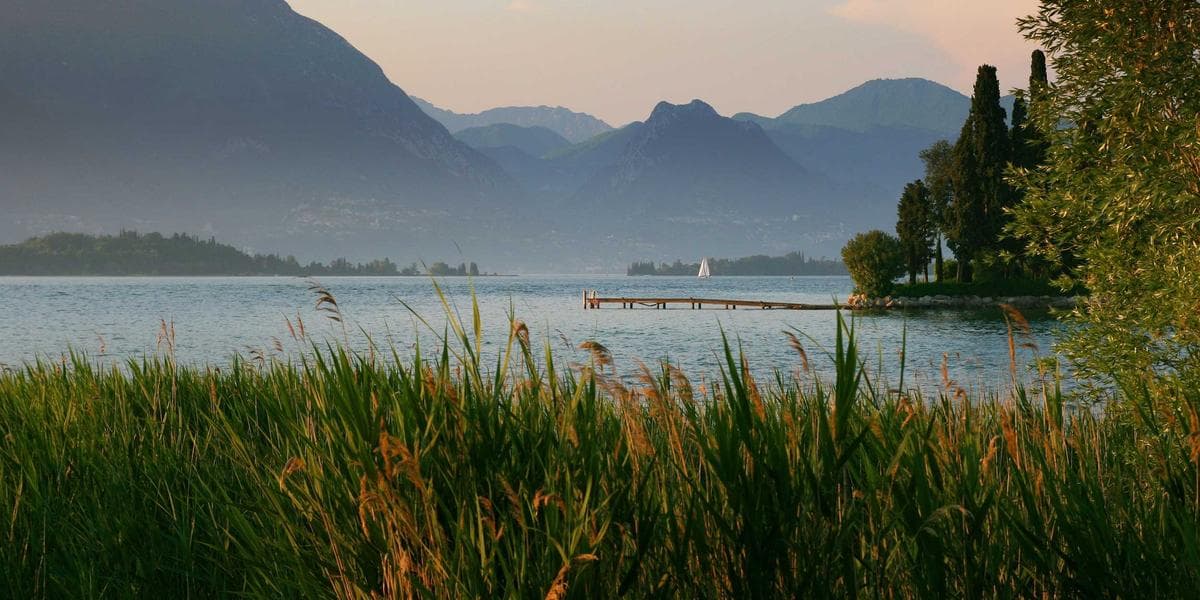
The city sits in a semi-arid landscape of golden hills and sagebrush, surrounded by mountains and lakes. It serves as a transportation hub where major highways and rail lines converge, connecting the Lower Mainland to the BC interior and beyond. For newcomers who want to live in BC without the extreme housing costs of Vancouver or the Okanagan, Kamloops is an increasingly attractive option.
Why Newcomers Choose Kamloops
Kamloops offers several advantages for newcomers. Thompson Rivers University (TRU) is a major draw, providing both education and employment opportunities. The university has a large international student population, which has helped create a diverse and culturally aware community. Housing costs, while higher than the prairies, are significantly lower than Vancouver, Victoria, or Kelowna. The local economy is diversified across education, healthcare, mining, forestry, transportation, and tourism, providing a range of employment options.
The climate is another attraction. Kamloops receives over 2,000 hours of sunshine per year and has warm, dry summers ideal for outdoor activities. The surrounding landscape offers world-class mountain biking, hiking, skiing, fishing, and water sports. For newcomers who enjoy an active, outdoor lifestyle, Kamloops is hard to beat.
Cost of Living
Rental Market
Kamloops is more affordable than most BC cities, though prices have risen in recent years. As of early 2026, typical monthly rents are:
- One-bedroom apartment: $1,200 to $1,600
- Two-bedroom apartment: $1,500 to $2,000
- Three-bedroom house: $1,800 to $2,500
- Basement suite: $1,000 to $1,400
These rates are roughly 30 to 40 percent lower than Vancouver and 10 to 20 percent lower than Kelowna. The rental market tightens in September when university students return, so plan your housing search accordingly. Listings are available on Castanet, Kijiji, Facebook Marketplace, and through local property management companies.
Groceries and Utilities
Monthly groceries for a family of four cost approximately $850 to $1,150. Kamloops has a full range of grocery options including Walmart, Save-On-Foods, Real Canadian Superstore, and Costco. International grocery stores carrying Asian, South Asian, and Middle Eastern products are available. Utilities (BC Hydro electricity, gas, water) average $200 to $350 per month for an apartment and $300 to $500 for a house.
Getting Around Kamloops
Public Transit
BC Transit Kamloops operates a bus network covering the city's main areas. A monthly pass costs approximately $60 for adults. Service is reliable on main corridors, including routes connecting downtown, TRU, North Shore, Aberdeen, and Sahali. Evening and weekend frequency is limited on some routes.
Driving
A personal vehicle is recommended for full access to Kamloops and surrounding areas. The city is spread across multiple areas separated by rivers and hills, and a car provides significant convenience. Vehicle insurance is through ICBC. Gas prices are typically lower than in Vancouver.
Cycling
Kamloops has a growing cycling culture, with on-road bike lanes and multi-use pathways connecting several neighbourhoods. The dry climate makes cycling viable for much of the year. Mountain biking trails are abundant on the surrounding hills and are a defining feature of the city's recreation culture.
Neighbourhoods to Consider
Sahali and Aberdeen
These adjacent neighbourhoods in the city's south are popular with families and university-connected residents. Sahali offers established homes near TRU, while Aberdeen features newer developments and the Aberdeen Mall. Both have good schools and park access.
North Shore
The North Shore, across the Thompson River from downtown, offers a mix of older and newer housing at generally lower prices. It has its own commercial areas, schools, and recreation facilities. It is a practical choice for newcomers seeking more affordable options.
Downtown
Downtown Kamloops is walkable and offers access to transit, shops, restaurants, and cultural venues. Rental apartments are available in older buildings and newer developments. The downtown is undergoing revitalization, with new businesses and residential projects improving the area.
See also: Renting an Apartment in Canada
Brocklehurst and North Kamloops
These areas north of downtown offer affordable housing options, including family homes and apartments. They have commercial services, schools, and recreation facilities. The Tournament Capital Centre, a major recreation complex, is located in this area.
Westsyde
A more suburban neighbourhood further north along the North Thompson River, Westsyde offers larger lots, quieter streets, and a family-oriented atmosphere. It is more car-dependent but offers good value for housing.
Employment Opportunities
- Education: Thompson Rivers University is one of the city's largest employers, with positions in teaching, administration, research, and support services.
- Healthcare: Royal Inland Hospital (RIH) is a major regional hospital and significant employer, with ongoing demand for healthcare professionals at all levels.
- Mining: The Highland Valley Copper mine (operated by Teck Resources) near Kamloops is one of Canada's largest open-pit copper mines, providing well-paying employment in mining, engineering, and environmental roles.
- Forestry: Several lumber mills and forestry operations in the Kamloops area provide employment in wood products manufacturing and forest management.
- Transportation: As a transportation hub, Kamloops has significant employment in trucking, rail (both CN and CP operate through the city), and logistics.
- Tourism and recreation: Kamloops' outdoor recreation offerings support a tourism economy that provides seasonal and year-round employment.
For job listings and career planning resources, visit WorkBC, British Columbia's official employment website.

Healthcare
Royal Inland Hospital is a full-service regional hospital providing emergency, surgical, maternity, cancer care, and mental health services. The city has walk-in clinics, specialist offices, and pharmacies, though finding a family physician can be challenging as physician shortages affect much of BC's interior.
BC residents are covered by the Medical Services Plan (MSP). Apply through the BC MSP enrollment page upon arrival. Most newcomers with permanent residency or valid work permits are eligible.
See also: Canadian Healthcare System Guide
Education
Post-Secondary
Thompson Rivers University (TRU) offers a wide range of programs including arts, sciences, business, nursing, education, law, trades, and technology. TRU has a strong international student community and offers comprehensive support services for newcomers, including English language preparation programs. The university's Open Learning division also provides flexible online and distance education options.
K-12 Schools
School District 73 (Kamloops-Thompson) operates public schools across the city and region. English language learner programs are available. The Conseil scolaire francophone de la Colombie-Britannique provides Francophone education options.
Settlement Services
- Kamloops Immigrant Services (KIS): The primary settlement organization, offering needs assessments, settlement counselling, language referrals, employment assistance, translation and interpretation, and community connections.
- Kamloops Public Library: Provides ESL resources, conversation circles, digital literacy programs, and newcomer information.
- TRU World (international division): Offers support services for international students and newcomers pursuing education, including academic advising, cultural programming, and peer mentorship.
For a full list of essential tasks when arriving in Canada, try our newcomer checklist.
Climate and Weather
Kamloops has a semi-arid climate with hot, dry summers and moderately cold winters. July temperatures regularly reach 30 to 38 degrees Celsius, making it one of the warmest cities in Canada during summer. January temperatures average around minus 5 to minus 8 degrees Celsius, with moderate snowfall (around 80 to 100 cm per season). The city receives over 2,000 hours of sunshine annually.
The dry climate means humidity is low, making both summer heat and winter cold more tolerable. Summer evenings cool down pleasantly. Wildfire smoke can affect air quality during some summers, particularly in July and August. Newcomers should invest in an air purifier for smoky periods and stay informed about air quality advisories.
Cultural Communities and Social Life
Kamloops' diversity has grown significantly thanks to TRU's international student population and immigration. South Asian, Filipino, East Asian, African, and Latin American communities are all present and growing. Cultural associations and TRU's international programming create social opportunities for newcomers.
Outdoor recreation defines Kamloops' lifestyle. The city is a world-class mountain biking destination with hundreds of kilometres of trails. Sun Peaks Resort, about 50 minutes away, offers excellent skiing in winter and golf and hiking in summer. Fishing, kayaking, and swimming in nearby lakes are popular summer activities. The city's recreation facilities include the Tournament Capital Centre (pools, gym, arena) and numerous parks and sports fields.
Practical Tips
- Contact Kamloops Immigrant Services early: They can guide you through initial settlement steps and connect you with resources.
- Prepare for summer heat: Kamloops summers are hot. An air-conditioned home or apartment is valuable, as is staying hydrated during outdoor activities.
- Consider TRU: Whether for credential upgrading, language training, or a new degree, TRU is an excellent resource for newcomers.
- Explore trails: The mountain biking and hiking trails are free and provide outstanding recreation. Rent a bike and try the city's trail network.
- Plan your budget: Use our cost calculator to compare Kamloops with other BC cities.
Final Thoughts
Kamloops offers newcomers a sun-drenched, recreation-rich lifestyle in British Columbia at a more manageable cost than the Lower Mainland or Okanagan. With TRU providing education and cultural diversity, a diversified economy offering multiple employment pathways, and world-class outdoor recreation at your doorstep, Kamloops is a city where newcomers can thrive. If you value sunshine, outdoor living, and an active community, Kamloops deserves a place on your shortlist. For more city guides, visit our newcomer blog.
See also: LINC & ELSA English Programs
Related Resources
WelcomeAide Tools
- WelcomeAide Blog - browse all newcomer guides and updates
- Resume Builder - create a Canadian-style resume for job applications
- Credential Recognition - check how your qualifications transfer to Canada
- Newcomer Checklist - organize your next steps for work and settlement
- Ask WelcomeAide AI - get practical answers about jobs and interviews
Related Guides
- OINP Human Capital Priorities Stream: Who Qualifies and How to Apply
- Alberta Advantage Immigration Program (AAIP): All Streams Explained
- BC PNP Skills Immigration: How the Registration System Works
Official Government Sources
Keep WelcomeAide Free
This guide is free, and always will be.
WelcomeAide is a nonprofit. If this helped you, a small donation keeps us running for the next newcomer.
Support WelcomeAideFree Tools for You