Rural and Northern Immigration Pilot 2026: Communities, Requirements, How to Apply
By WelcomeAide Team

Canada is a vast and beautiful country, known for its vibrant cities and stunning natural landscapes. But beyond the bustling urban centers lies a wealth of opportunity and a welcoming spirit in its smaller, more intimate communities. For skilled workers and newcomers dreaming of a life in Canada, the Rural and Northern Immigration Pilot (RNIP) offers a unique pathway to permanent residence, specifically designed to help these communities thrive.
While the current RNIP is slated to run until February 2025, its immense success in attracting skilled immigrants to fill crucial labour gaps and boost local economies strongly suggests that similar initiatives, or an extension of the pilot, will continue to be a cornerstone of Canada's immigration strategy well into 2026 and beyond. This comprehensive guide from WelcomeAide is designed to equip you with all the essential information you need to understand the RNIP, prepare for its requirements, and navigate the application process, setting you up for success in securing your future in rural or northern Canada.
What is the Rural and Northern Immigration Pilot (RNIP)?
The Rural and Northern Immigration Pilot (RNIP) is a community-driven program designed to spread the benefits of economic immigration to smaller Canadian communities. Launched by Immigration, Refugees and Citizenship Canada (IRCC), the pilot aims to address labour shortages and support economic development in participating rural and northern areas by creating a path to permanent residence for skilled foreign workers who want to live and work in these communities.
Unlike many other federal immigration programs that focus on a national pool of candidates, the RNIP empowers local communities to play a direct role in selecting immigrants who are best suited to their specific needs. This means that while there are federal eligibility criteria, each participating community also has its own unique requirements and recommendation process, ensuring a tailored approach to immigration that benefits both the newcomers and the local residents. It's a win-win: immigrants get to experience a different side of Canada, often with a lower cost of living and a strong sense of community, while the towns gain essential skills, diversity, and economic growth.
The program provides a fantastic opportunity for individuals who are looking for a quieter lifestyle, a closer connection to nature, and a chance to truly integrate into a tight-knit community, all while contributing their skills to Canada's growing economy.
Who is the RNIP For?
The RNIP is primarily for skilled foreign workers who have a genuine intention to live in one of the participating communities and possess the skills, education, and work experience needed to fill local labour market gaps. It also targets international students who have graduated from a publicly funded post-secondary institution in one of the participating communities.
If you meet the federal criteria for work experience, education, language proficiency, and have sufficient settlement funds, and are also able to secure a qualifying job offer from an employer in a participating community, then the RNIP could be your ideal pathway to Canadian permanent residence. It's particularly appealing for those who:
- Are looking for an alternative to highly competitive federal programs like Express Entry.
- Prefer living in smaller towns or cities with a strong community feel.
- Have specific skills that are in demand in rural and northern areas.
- Are committed to integrating into a new community and contributing to its growth.
The program is not for individuals who are seeking to immigrate to Canada's largest metropolitan areas, as its core purpose is to bolster smaller populations.
The Participating Communities
As of the current pilot, there are eleven communities across five provinces participating in the RNIP. Each of these communities has unique characteristics, industries, and specific needs for skilled workers. It's crucial to understand that while the federal government sets the overall framework, each community has its own website and application process, often with additional criteria that applicants must meet.
The current participating communities are:
- Ontario: North Bay, Sudbury, Timmins, Sault Ste. Marie, Thunder Bay
- Manitoba: Brandon, Altona/Rhineland
- Saskatchewan: Moose Jaw (no longer accepting applications as of February 2024, but previously part of the pilot)
- Alberta: Claresholm
- British Columbia: Vernon, West Kootenay (Trail, Castlegar, Rossland, Nelson)
For the "2026" context, it is highly probable that these successful communities, or a similar set of communities, will continue to participate in any extended or successor program. New communities might also be added as the program evolves. It's always best to check the official IRCC website for the most up-to-date list of participating communities and their specific requirements, as these can change. You can find detailed information on the IRCC Participating Communities page.
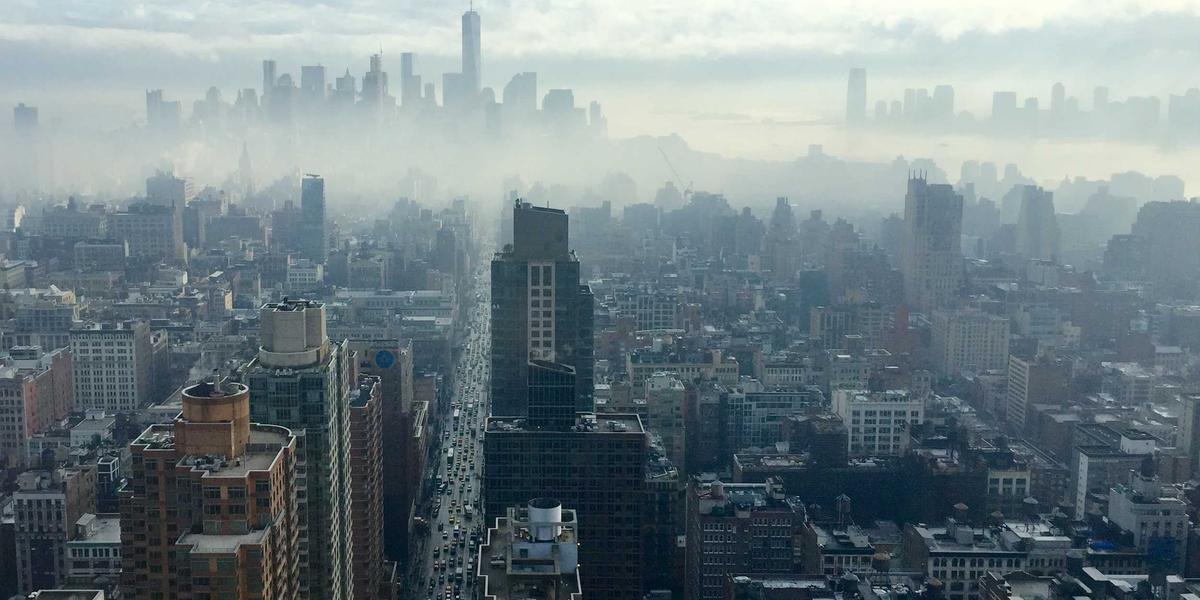
Each community offers a distinct lifestyle. For instance, communities in Northern Ontario like Sudbury or Thunder Bay offer access to vast natural wilderness, while those in Manitoba like Brandon provide a strong agricultural base and a diverse economy. British Columbia's West Kootenay region boasts stunning mountain scenery and an outdoor-oriented lifestyle. Researching each community thoroughly to see where your skills align best and where you envision yourself settling is a vital first step.
Detailed Requirements for RNIP Applicants
To be eligible for the RNIP, you must meet both the federal IRCC criteria and the specific requirements set by the community where you wish to settle.
IRCC Eligibility Criteria (Federal)
- Work Experience: You must have accumulated at least one year (1,560 hours) of continuous, full-time work experience (or an equivalent amount in part-time work) in a qualifying occupation within the last three years. This experience must be in one occupation, but it can be with different employers. The duties performed must align with the National Occupational Classification (NOC) description. For international students who graduated from a publicly funded post-secondary institution in a participating RNIP community, the work experience requirement may be waived under specific conditions.
- Education: You need a Canadian secondary (high school) diploma or an equivalent foreign credential. If your education was obtained outside Canada, you must obtain an Educational Credential Assessment (ECA) report from an IRCC-approved organization. This report confirms that your foreign education is equal to a Canadian credential. Learn more about ECAs on the IRCC website.
-
Language Proficiency: You must meet the minimum language requirements based on the National Occupational Classification (NOC) category of your job offer.
- NOC 0 or A: CLB/NCLC 6
- NOC B: CLB/NCLC 5
- NOC C or D: CLB/NCLC 4
- Settlement Funds: You must prove you have enough money to support yourself and your family once you arrive in Canada. This amount varies based on family size and is updated annually by IRCC. You cannot count money from a job offer in Canada as part of your settlement funds. See the official IRCC Proof of Funds page for current requirements. Our blog also has resources on settlement funds in Canada.
- Intent to Reside: You must genuinely intend to live in the community that recommends you. This is a crucial aspect of the RNIP, as the program aims to retain immigrants in these specific areas. IRCC may assess your intent through various factors, including your ties to the community, research you've done, and reasons for choosing that particular area. More details can be found on the IRCC Help Centre.
- A minimum number of years of work experience in a specific field.
- Additional language proficiency beyond the IRCC minimum.
- Stronger ties to the community (e.g., previous visits, family members, job offers in specific sectors).
- A scoring system that prioritizes certain candidates.
- An interview process with a community representative.
- It must be for a genuine position within the community.
- The wage offered must be at or above the median wage for that occupation in the specific region.
- Your work experience must be related to the job offer.
- The employer must be located within the participating community.
- Research Employers: Visit the community websites; they often have job boards or lists of local employers. Look for industries that align with your skills.
- Tailor Your Application: Customize your resume and cover letter for each job application, highlighting how your skills and experience can benefit a rural employer and demonstrating your genuine interest in living in that specific community.
- Network: Utilize online professional networks, community forums, and local job fairs (if accessible) to connect with potential employers. Our guide on finding a job in Canada can provide more tips.
- Gather Documents: Prepare all required documents for the community application, which typically includes your job offer, proof of work experience, educational credentials, language test results, and any other documents specific to that community.
- Submit Application: Follow the community's specific application instructions, usually found on their official RNIP website. Many communities have an online portal.
- Interview (if applicable): Some communities may conduct interviews with applicants to assess their suitability and intent to reside.
- Receive Recommendation: If the community assesses you as a good fit and you meet their criteria, they will issue you a Community Recommendation letter. This letter is essential for your federal application.
- Complete the Application Package: Fill out all necessary IRCC forms (available on Canada.ca) accurately and completely. Ensure you have the Community Recommendation letter.
- Gather Supporting Documents: This includes your passport, birth certificate, marriage certificate (if applicable), police certificates from any country you've lived in for 6 months or more, medical examination results, and proof of settlement funds. Refer to the IRCC document checklist for a full list.
- Pay Fees: Pay the application processing fees and the Right of Permanent Residence Fee (RPRF).
- Submit Online: Submit your complete application package through the IRCC secure online portal.
- Biometrics: After submitting, you will receive instructions to provide your biometrics (fingerprints and photo) at a designated service point.
- Job Search: This can take anywhere from a few weeks to several months, depending on your field, experience, and job market conditions in your target community.
- Community Application & Recommendation: Once you have a job offer, applying to the community and receiving a recommendation can take from a few weeks to 3-4 months, depending on the community's volume of applications and internal processes.
- IRCC Processing: After you submit your permanent residence application to IRCC, processing times typically range from 12 to 18 months. However, these are estimates and can fluctuate. Always check the official IRCC processing times page for the most current information.
-
IRCC Application Fees:
- Principal applicant: CAD $950
- Right of Permanent Residence Fee (RPRF): CAD $575
- Spouse or common-law partner: CAD $950 (plus RPRF $575)
- Dependent child: CAD $260 per child
- Language Test Fees: Approximately CAD $200-300, depending on the test and location.
- Educational Credential Assessment (ECA) Fees: Approximately CAD $200-300.
- Medical Exam Fees: Varies by country and clinic, typically CAD $150-300 per person.
- Police Certificate Fees: Varies by country.
- Biometrics Fee: CAD $85 for an individual, or CAD $170 for a family.
- Settlement Funds: This is not a fee, but a requirement to demonstrate you have sufficient funds to support yourself and your family upon arrival. The amount varies based on family size.
- Not Researching Community-Specific Requirements: Each community is unique. Failing to understand and meet their specific criteria is a primary reason for rejection at the community level.
- Applying Without a Valid Job Offer: A permanent, full-time, non-seasonal job offer from an eligible employer in the community is mandatory. Do not apply to a community before securing this.
- Insufficient Settlement Funds: Miscalculating or failing to demonstrate sufficient settlement funds can lead to refusal. Ensure your proof of funds is clear, legitimate, and meets IRCC's requirements for your family size.
- Incomplete or Inaccurate Documentation: Missing documents, outdated information, or errors on forms can significantly delay processing or lead to rejection. Double-check everything.
- Misrepresenting Information: Providing false information or omitting material facts can result in a misrepresentation finding, leading to a ban from applying to Canada for several years. Always be honest and accurate.
- Not Demonstrating "Intent to Reside": IRCC and the communities want to ensure you genuinely plan to settle in the recommending community. Your application should reflect this intent through your job choice, research, and expressed commitment.
- Waiting Too Long: The pilot has an end date (currently Feb 2025, but likely to evolve). Even if extended, opportunities can be competitive. Start your process as early as possible.
- Start Early and Be Patient: The RNIP is not a fast track. Give yourself ample time for job searching, community applications, and IRCC processing.
- Tailor Your Job Applications: Don't just send generic resumes. Research the employer and the community, and explain why you are a good fit for both in your cover letter. Highlight any connections or reasons you're drawn to that specific rural area.
- Network within Communities: Engage with community members, attend online information sessions, and connect with local organizations. This can help you find job opportunities and demonstrate your commitment.
Community-Specific Requirements
Beyond the federal criteria, each participating community has its own set of requirements. These can include:
It is absolutely essential to visit the official website of your chosen community to understand their specific criteria and application process before you begin. Failure to meet these local requirements will result in your application being rejected by the community, regardless of whether you meet the federal criteria.
Job Offer Requirement
A valid job offer is a cornerstone of the RNIP application. You must have a full-time, non-seasonal, permanent job offer from an employer in one of the participating communities. The job offer must meet the following conditions:
Securing a job offer is often the most challenging part of the process, but it is a non-negotiable step for the RNIP. Start your job search early and tailor your applications to the specific needs of rural employers.
How to Apply: Step-by-Step Process
The RNIP application process involves two main stages: applying to a community for a recommendation, and then applying to IRCC for permanent residence.
Step 1: Check Your Eligibility
Before anything else, thoroughly assess if you meet both the IRCC federal requirements and the specific criteria of the community you are interested in. This includes checking your work experience, education, language proficiency, and settlement funds. Do not skip the community-specific criteria, as they are equally important.
Step 2: Find a Job in a Participating Community
This is a critical step. You must secure a qualifying job offer from an employer in one of the participating communities.
Once you receive a job offer, ensure it meets all the RNIP requirements (full-time, permanent, non-seasonal, median wage).

Step 3: Apply to the Community for Recommendation
With a valid job offer in hand, you can now apply directly to the chosen community for a recommendation.
Step 4: Apply to IRCC for Permanent Residence
Once you have your Community Recommendation, you can apply to IRCC for permanent residence.
Step 5: Receive Your Permanent Residence
IRCC will review your application, conduct security checks, and make a final decision. If approved, you will receive a Confirmation of Permanent Residence (COPR) and a permanent resident visa (if you are from a visa-required country). You will then be able to officially land in Canada as a permanent resident.
Timelines and Costs
Timelines
The RNIP application timeline can vary significantly based on individual circumstances, the responsiveness of employers, and the specific community's processing times.
Overall, from the start of your job search to receiving permanent residence, the entire process could take 1.5 to 2.5 years. Patience and thorough preparation are key!
Costs
Applying for permanent residence through the RNIP involves several fees:
It's crucial to budget carefully for these costs. For the most current fee schedule, always refer to the official IRCC website.
Common Mistakes to Avoid
Navigating the immigration process can be complex. Here are some common pitfalls to avoid when applying for the RNIP:
Tips for a Successful RNIP Application
To maximize your chances of success, consider these tips:
Keep WelcomeAide Free
This guide is free, and always will be.
WelcomeAide is a nonprofit. If this helped you, a small donation keeps us running for the next newcomer.
Support WelcomeAideFree Tools for You