Swimming and Water Safety in Canada
作者: WelcomeAide Team

Why Water Safety Is Essential for Newcomers
Canada has more lakes than any other country in the world, along with extensive ocean coastline and countless rivers and streams. Swimming, boating, fishing, and other water activities are popular across the country, especially during the warm summer months. However, water also presents serious risks. According to the Lifesaving Society, drowning remains one of the leading causes of accidental death in Canada, and newcomers are disproportionately affected.
Many newcomers come from countries where swimming is not a common skill, where open water environments are very different, or where water safety education is limited. Understanding the risks and learning basic water safety skills can protect you and your family. This guide will help you navigate the resources available in Canada, from swimming lessons to beach safety rules and boating regulations.
Learn-to-Swim Programs in Canada
Learning to swim is one of the most important things you can do for your safety and your family's safety in Canada. Most municipalities offer learn-to-swim programs through their public recreation centres and pools. These programs are available for all ages, from infants to adults, and are typically very affordable. Many communities also offer subsidized or free programs specifically for newcomers and low-income families.
The Canadian Red Cross Swimming and Water Safety program is one of the most widely recognized learn-to-swim programs in Canada. It offers progressive levels from preschool through adult, teaching fundamental swimming skills alongside water safety knowledge. The Lifesaving Society also offers the Swim to Survive program, which focuses on the three essential skills needed to survive an unexpected fall into water: roll entry, treading water for one minute, and swimming 50 metres.
Finding Swim Lessons Near You
To find swim lessons in your community, contact your local municipal recreation centre or search your city's parks and recreation website. In BC, most cities and towns have at least one public pool offering lessons. Registration periods vary, but lessons are typically offered in fall, winter, spring, and summer sessions. Some facilities offer drop-in swim times as well, which are a great way to practice your skills between lessons. Our housing guide can help you identify neighbourhoods with good recreation facilities nearby.
Public Pools and Aquatic Facilities
Public pools are widely available across Canada and are an important community resource. They offer structured swim lessons, recreational swimming, lane swimming for exercise, aquafit classes, and family swim times. Indoor pools operate year-round, while outdoor pools and splash parks are typically open from June through September.
When visiting a public pool, be aware of the rules: most facilities require swimwear (no street clothes in the pool), some require swim caps, shower before entering the pool, and children under a certain age (usually 7 or 8) must be accompanied by an adult in the water. Lifeguards are on duty at public pools, but their presence does not replace the need for personal vigilance, especially when supervising young children.
Cultural Considerations
Some newcomers may have cultural or religious considerations related to swimming attire or mixed-gender swimming. Many Canadian pools offer women-only or men-only swim times, and modest swimwear (such as burkinis) is generally welcome at public facilities. Contact your local pool to ask about their specific policies and available programming.
Beach and Open Water Safety
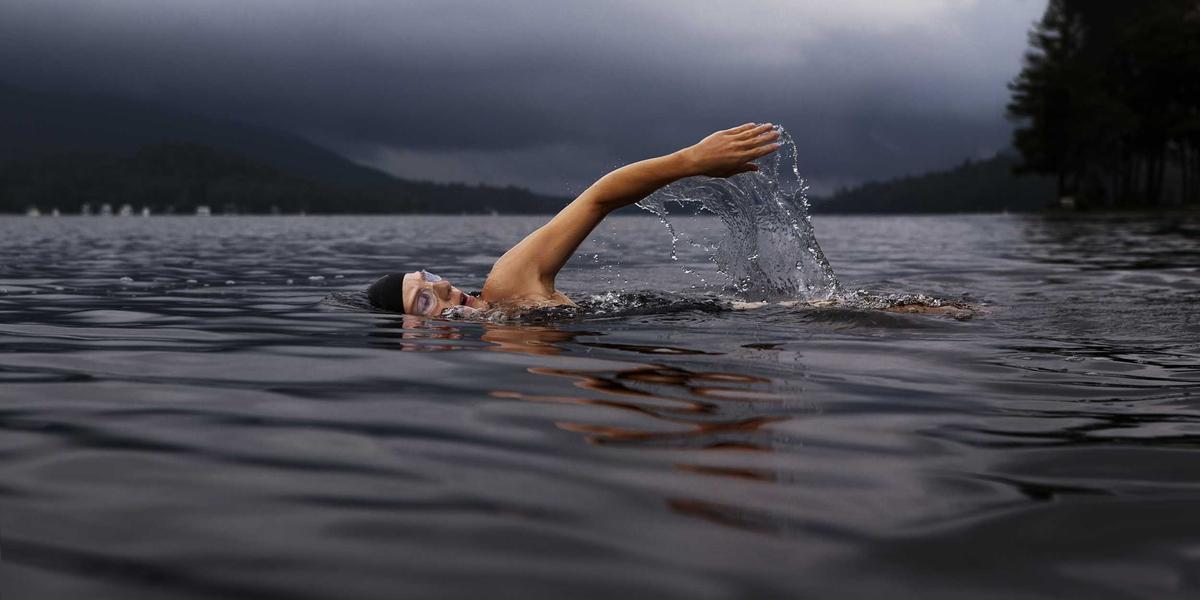
Swimming in lakes, rivers, and the ocean is fundamentally different from swimming in a pool. Open water presents hazards that pools do not, including cold water temperatures, currents, waves, underwater obstacles, sudden drop-offs, and poor visibility. The Government of Canada's water safety page provides detailed guidance on staying safe around open water.
Key beach safety rules include: always swim at supervised (lifeguarded) beaches when possible, never swim alone, check water conditions before entering, stay within your depth, watch for posted warning signs and flags, and never dive into water of unknown depth. Cold water is particularly dangerous in Canada. Even in summer, many lakes and coastal waters remain cold enough to cause cold water shock, which can lead to involuntary gasping, loss of muscle control, and drowning within minutes.
Drowning Prevention
Drowning is silent and fast. Unlike what is depicted in movies, a drowning person rarely calls for help or waves their arms. Drowning can happen in as little as 20 seconds for a child and 60 seconds for an adult. Constant, active supervision of children near water is the single most important prevention measure. This means a designated adult is watching the children at all times, without distraction from phones, books, or conversations.
In addition to supervision, these practices significantly reduce drowning risk: ensure everyone in your family learns to swim, wear properly fitted lifejackets when boating or near open water, install four-sided fencing with self-closing gates around backyard pools, never consume alcohol when swimming or supervising children near water, and learn CPR. Many community centres offer CPR courses, and knowing this skill could save a life. For more on keeping children safe, read our guide to childproofing and home safety.
Lifejackets and Personal Flotation Devices
In Canada, lifejackets and personal flotation devices (PFDs) are legally required on all boats. However, they should also be worn by weak swimmers and non-swimmers whenever they are near open water, including on docks, piers, and riverbanks. A lifejacket must fit properly to be effective. Children should wear lifejackets that fit snugly and cannot be pulled over their heads. Never rely on inflatable toys, water wings, or pool noodles as safety devices; they are toys, not lifesaving equipment.

Boating Safety and Rules
If you plan to operate a motorized boat in Canada, you are required by law to obtain a Pleasure Craft Operator Card (PCOC) from Transport Canada. This involves completing an accredited boating safety course and passing an exam. The card is valid for life and proves you understand Canadian boating rules and safety requirements.
All boats must carry required safety equipment, including lifejackets for every person on board, a throwable flotation device, a sound signalling device (whistle or horn), navigation lights (if operating at night), a bailer or pump, and a fire extinguisher (for boats with engines). Boating under the influence of alcohol is a criminal offence in Canada, carrying the same penalties as impaired driving on roads.
Paddling and Non-Motorized Boats
Canoeing, kayaking, and stand-up paddleboarding are extremely popular in Canada. While a PCOC is not required for non-motorized watercraft, you must still carry the required safety equipment, including a lifejacket for each person, a sound signalling device, and a buoyant heaving line (a throwable rope) if the vessel is longer than six metres. Always check weather and water conditions before paddling, tell someone your planned route and return time, and stay close to shore if you are a beginner.
Lifeguard Certification and Water Safety Careers
For newcomers interested in working in aquatics, lifeguard certification can open doors to employment at pools, beaches, and recreation centres. The Lifesaving Society's National Lifeguard certification is the standard qualification for lifeguards in Canada. Prerequisites include strong swimming ability and completion of the Bronze Cross award. The Canadian Red Cross also offers Water Safety Instructor certification for those interested in teaching swim lessons.
Aquatic careers can provide flexible employment, especially for students and newcomers building their Canadian work experience. Many municipalities actively recruit lifeguards and swim instructors, and certification programs are available at community pools across the country. For information about working in Canada, see our guide to finding a job as a newcomer.
Water Safety Resources and Next Steps
Water safety is a lifelong learning process. Even experienced swimmers should regularly refresh their knowledge and skills. Enroll your family in swim lessons, discuss water safety rules with your children regularly, and consider taking a first aid and CPR course. Many community organizations, settlement agencies, and recreation centres offer water safety workshops and events, particularly during Canada's Water Safety Week each year.
WelcomeAide is here to support your settlement journey in Canada. Our AI Newcomer Navigator can answer your questions about water safety, recreation programs, and other topics in your language. Explore our blog for more newcomer guides, learn about our mission, or see how to get involved in supporting newcomer communities across Canada.
Related Resources
WelcomeAide Resources
- Newcomer Checklist - track key settlement tasks and documents
- Settlement Programs - find local support and integration services
- Rights Guide - understand legal rights and protections in Canada
- Ask WelcomeAide AI - get personalized answers for your next steps in Canada
- WelcomeAide Blog - browse practical newcomer guides and updates
Authoritative External Sources
Free Tools for You

